





Kinds of Heaters and Their Benefits

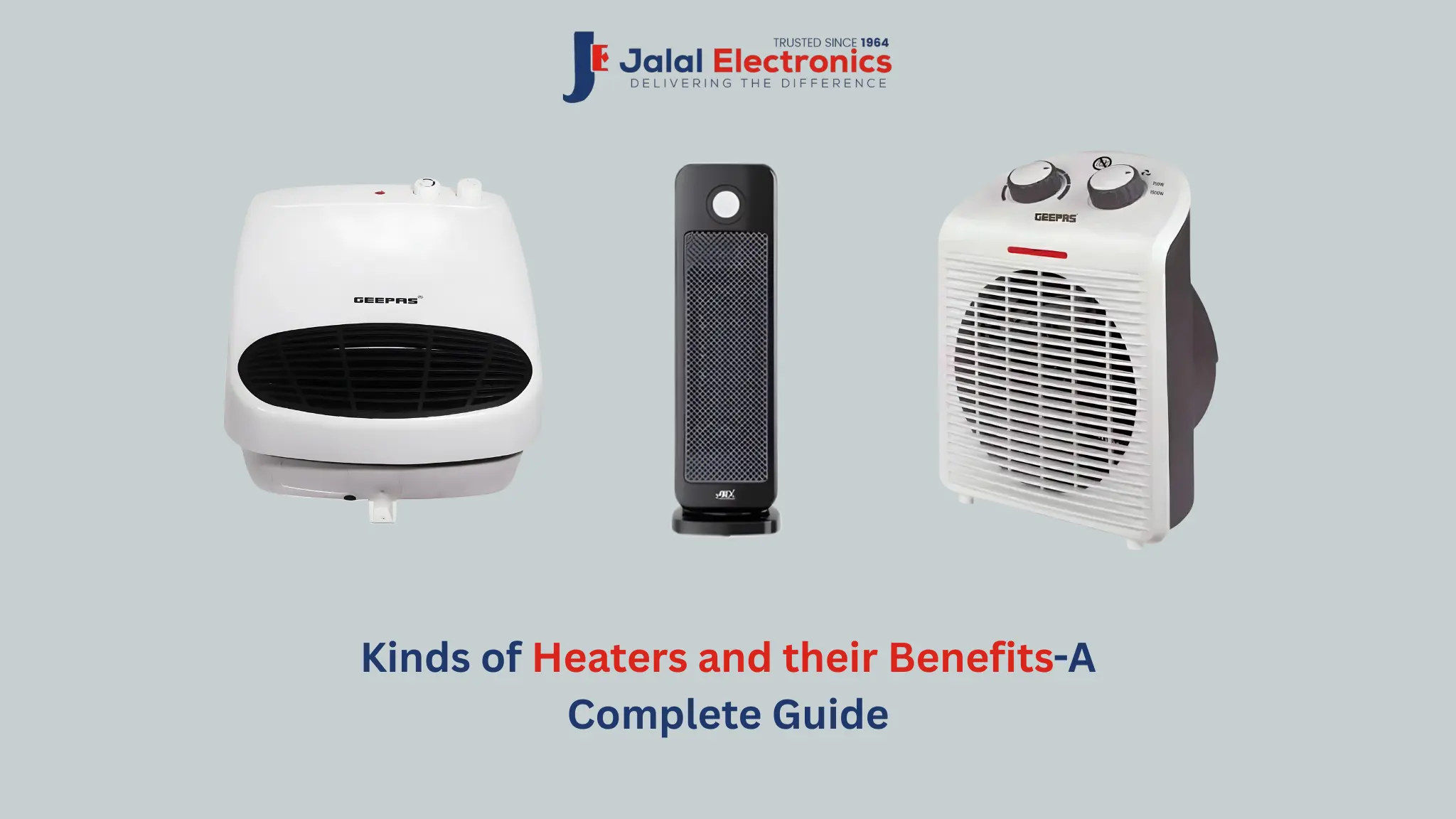
Winter is coming, and choosing the right heater can make all the difference between a cozy home and skyrocketing energy bills. With so many heating options available in the market, finding the perfect match for your space can feel overwhelming.
Stay warm this winter with the best heaters available at Jalal Electronics. Whether you need electric, gas, infrared, or oil-filled heaters, we offer trusted brands at the best prices. Find the perfect heater for your room size and enjoy reliable, energy-efficient heating all season long.
This comprehensive guide will walk you through different types of heaters, their unique benefits, and help you make an informed decision for your heating needs.
Why Choosing the Right Heater Matters
Before diving into the types of heaters, it’s essential to understand why your choice matters:
- Energy efficiency directly impacts your monthly utility bills
- Safety features protect your family and property
- Heating capacity determines comfort levels in your space
- Portability affects where and how you can use the heater
- Maintenance requirements influence long-term costs and convenience
1. Electric Space Heaters
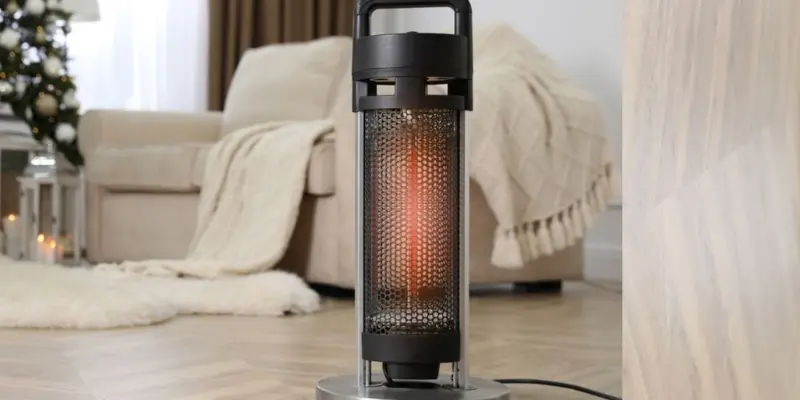
Electric space heaters are among the most popular choices for residential heating. They’re perfect for supplemental heating in specific rooms or areas.
Benefits of Electric Space Heaters:
- Easy installation – Simply plug into any standard electrical outlet and start heating immediately
- Portable design – Move from room to room as needed without any hassle
- No fuel required – Eliminates the need for gas lines or fuel storage
- Clean operation – No emissions, fumes, or combustion byproducts
- Affordable upfront cost – Generally, the most budget-friendly heating option
- Quiet operation – Most models run silently, perfect for bedrooms and offices
- Safety features – Modern units include tip-over protection and overheat shutoff
- Compact size – Fits easily in small spaces without taking up valuable floor area
- Multiple heat settings – Customize warmth levels based on your comfort needs
- Instant heat – Provides warmth within seconds of turning on
Best For:
- Small to medium-sized rooms
- Apartments and rental properties
- Supplemental heating in cold spots
- Personal heating at desks or workspaces
2. Oil-Filled Radiator Heaters
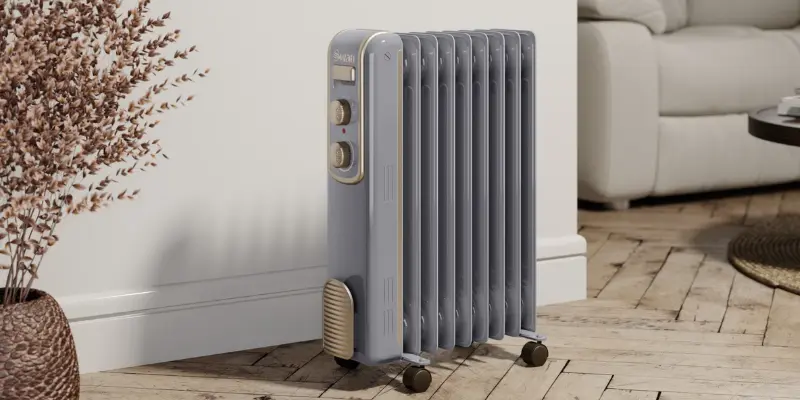
Oil-filled radiators use diathermic oil sealed inside metal columns or fins. The oil is heated electrically and retains heat for extended periods.
Benefits of Oil-Filled Radiator Heaters:
- Long-lasting warmth – Continues radiating heat even after being turned off
- Energy efficient – Maintains temperature with minimal electricity once heated
- Silent operation – No fan means absolutely zero noise during operation
- Even heat distribution – Provides consistent warmth throughout the room
- Safe surface temperature – Cooler to touch compared to ceramic or fan heaters
- No air circulation – Doesn’t blow dust or allergens around the room
- Low maintenance – Sealed oil system requires no refilling or servicing
- Durability – Built to last for many years with proper care
- Thermostat control – Automatically maintains your desired temperature
- Economical operation – Lower running costs compared to fan heaters
Best For:
- Bedrooms and nurseries
- Living rooms require consistent warmth
- People with allergies or respiratory sensitivities
- Areas where quiet operation is essential
3. Infrared Heaters
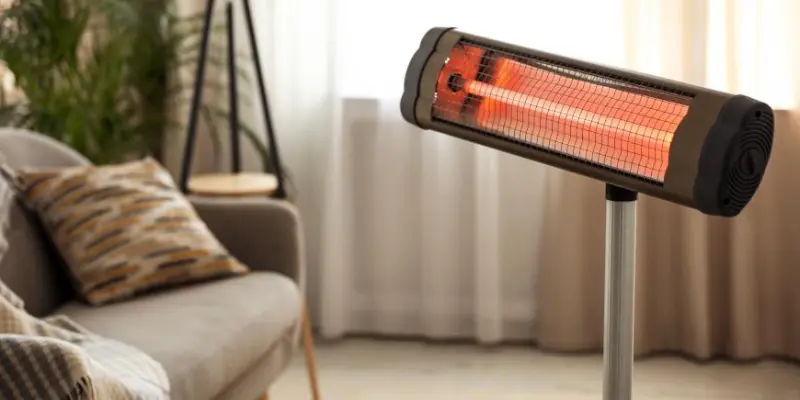
Infrared heaters emit infrared radiation that directly heats objects and people rather than warming the air.
Benefits of Infrared Heaters:
- Instant warmth – Feel heat immediately without waiting for the air to warm up
- Targeted heating – Directs heat precisely where you need it most
- Energy efficient – Doesn’t waste energy heating unused space
- Healthy heating – Maintains natural humidity levels in the room
- Dust-free operation – No air movement means no dust circulation
- Eco-friendly – Uses less energy and reduces carbon footprint
- Quiet performance – Operates without noisy fans or blowers
- Long lifespan – Heating elements last longer than conventional heaters
- Quick response – Provides comfort within seconds of activation
- Cost-effective – Lower electricity consumption translates to savings
Best For:
- Outdoor patios and garages
- Workshops and studios
- Spot heating in large rooms
- People seeking immediate warmth
4. Ceramic Heaters
Ceramic heaters use ceramic plates with aluminum baffles that heat up and distribute warmth through a built-in fan.
Benefits of Ceramic Heaters:
- Fast heating – Quickly warms up small to medium spaces efficiently
- Safe operation – Ceramic elements cool down rapidly when turned off
- Compact design – Small footprint perfect for tight spaces
- Oscillating features – Many models rotate to distribute heat evenly
- Adjustable settings – Multiple heat levels for customized comfort
- Affordable pricing – Budget-friendly option with good performance
- Energy efficient – Converts electricity to heat very effectively
- Lightweight – Easy to carry and reposition as needed
- Built-in fan – Circulates warm air throughout the room quickly
- Modern aesthetics – Sleek designs complement any décor
Best For:
- Home offices and study rooms
- Small bedrooms and bathrooms
- Quick heating needs
- Personal heating zones
5. Gas Heaters (Natural Gas and Propane)
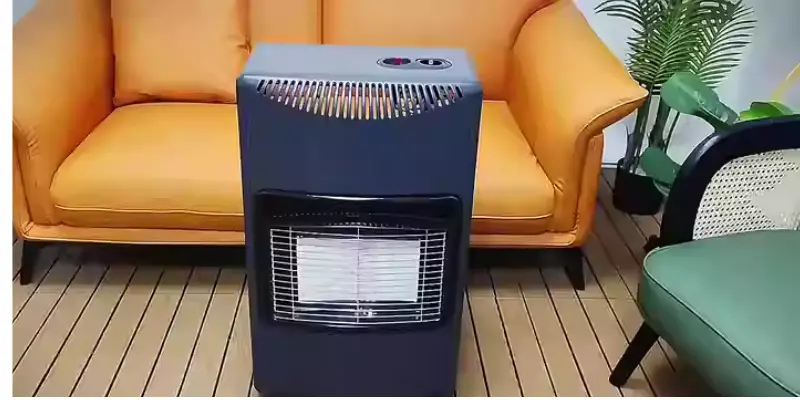
Gas heaters burn natural gas or propane to generate heat. They’re available as wall-mounted, floor, or portable units.
Benefits of Gas Heaters:
- Powerful heating – Generates intense heat for large spaces quickly
- Cost-effective fuel – Natural gas is often cheaper than electricity
- Works during power outages – Continues heating when electricity is unavailable
- High BTU output – Exceptional heating capacity for cold climates
- Long-term savings – Lower operational costs over time
- Whole-home heating – Can heat multiple rooms or entire houses
- Reliable performance – Consistent heat output in all conditions
- Faster heating – Warms spaces more quickly than electric alternatives
- No electricity required – Some models operate completely independently
- Effective in extreme cold – Maintains performance in harsh winter conditions
Best For:
- Large homes and open-plan spaces
- Areas with frequent power outages
- Cold climate regions
- Users with existing gas lines
6. Halogen Heaters
Halogen heaters use halogen bulbs to produce infrared heat that warms objects and people directly.
Benefits of Halogen Heaters:
- Immediate heat – Provides warmth the moment you switch it on
- Directional heating – Focuses warmth exactly where needed
- Lightweight design – Extremely portable and easy to move
- Low cost – Very affordable initial purchase price
- Simple operation – No complex controls or settings
- Efficient spot heating – Perfect for personal heating zones
- Quick cool down – Safe to touch shortly after turning off
- Minimal space requirements – Takes up very little room
- No installation needed – Ready to use straight out of the box
- Ideal for short-term use – Perfect for quick heating sessions
Best For:
- Personal desk heating
- Small bathrooms
- Short-duration heating needs
- Budget-conscious buyers
7. Convection Heaters
Convection heaters warm air that naturally circulates throughout the room through the process of convection.
Benefits of Convection Heaters:
- Uniform temperature – Creates consistent warmth throughout the entire space
- Natural air circulation – Uses physics to move warm air efficiently
- Quiet to silent – Many models operate without noisy fans
- Safe for families – Enclosed heating elements reduce burn risks
- Energy efficient – Effective heating with reasonable power consumption
- Wall-mountable – Some models can be permanently installed
- Thermostat equipped – Maintains desired temperature automatically
- Low maintenance – Simple design means fewer parts to service
- Gentle heat – Comfortable warmth without hot spots
- Various sizes – Available from small portable to large permanent units
Best For:
- Living rooms and family spaces
- Consistent all-day heating
- Homes with good insulation
- Users want an even temperature distribution
8. Micathermic Heaters
Micathermic heaters combine convection and radiant heat technologies using mica stone panels.
Benefits of Micathermic Heaters:
- Dual heating technology – Combines the best of radiant and convection heating
- Quick warmth – Starts heating immediately while building ambient temperature
- Lightweight construction – Easy to move despite large heating capacity
- Slim profile – Occupies minimal floor space
- 80% radiant heat – Provides instant warmth you can feel immediately
- 20% convection heat – Gradually warms the entire room
- Silent operation – No fans means completely quiet performance
- Energy conscious – Uses less electricity than comparable heaters
- No oxygen depletion – Safe for enclosed spaces
- Modern design – Attractive appearance fits contemporary homes
Best For:
- Medium to large rooms
- Users wanting both instant and ambient heat
- Homes with modern décor
- Energy-conscious households
9. Baseboard Heaters
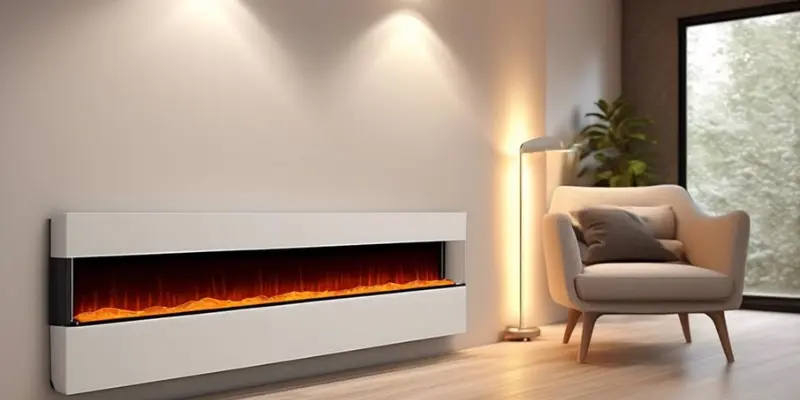
Baseboard heaters are installed along the bottom of walls and provide steady, consistent heating through natural convection.
Benefits of Baseboard Heaters:
- Permanent solution – Provides reliable heating year after year
- Unobtrusive design – Blends seamlessly with room architecture
- Zone heating – Control temperature in individual rooms independently
- No noise – Completely silent operation
- Even heat distribution – Warms rooms uniformly from the ground up
- No floor space used – Keeps floors clear for furniture and movement
- Low maintenance – Minimal upkeep required over the lifetime
- Safe for children – Low surface temperature options available
- Long lifespan – Durable construction lasts for decades
- Consistent performance – Reliable heating in all conditions
Best For:
- Permanent home heating solutions
- Individual room temperature control
- Homes without central heating
- Renovations and additions
10. Panel Heaters

Panel heaters are flat, wall-mounted units that provide efficient convection heating with a sleek appearance.
Benefits of Panel Heaters:
- Space-saving design – Mounts on walls to free up floor space
- Sleek aesthetics – Modern, minimalist appearance
- Quick heating – Reaches operating temperature rapidly
- Digital controls – Precise temperature management
- Timer functions – Program heating schedules for efficiency
- Safe surfaces – Low-temperature exteriors prevent burns
- Easy installation – Simple mounting process
- Uniform warmth – Even heat distribution across the room
- Energy tracking – Some models monitor consumption
- Smart features – WiFi connectivity in premium models
Best For:
- Modern homes and apartments
- Wall-mounted heating solutions
- Tech-savvy users
- Rooms with limited floor space
How to Choose the Right Heater
Consider these factors when selecting your ideal heater. Jalal Electronics offers all types of heaters—from electric and infrared to gas and oil-filled models. Choose the right heater for your home and shop for affordable, reliable options today at Jalal Electronics!
Room Size
- Small rooms (up to 150 sq ft) – Electric space heaters, ceramic, or halogen heaters
- Medium rooms (150-300 sq ft) – Oil-filled radiators, infrared, or convection heaters
- Large rooms (300+ sq ft) – Gas heaters, micathermic, or panel heaters
Usage Pattern
- Occasional use – Halogen or ceramic heaters for quick, short-term heating
- Regular use – Oil-filled radiators or infrared for daily comfort
- Continuous use – Gas heaters or baseboard heaters for all-day heating
Budget Considerations
- Initial cost – Electric space heaters are most affordable upfront
- Operating costs – Gas and oil-filled heaters offer better long-term value
- Installation costs – Portable units save on installation expenses
Safety Requirements
- Homes with children – Oil-filled radiators or panel heaters with cool surfaces
- Unattended operation – Models with automatic shutoff and tip-over protection
- Enclosed spaces – Electric heaters to avoid combustion concerns
Energy Efficiency Tips
Maximize your heater’s efficiency with these practices:
- Proper insulation – Seal windows and doors to retain heat
- Correct sizing – Choose heaters appropriate for room dimensions
- Thermostat use – Set to comfortable temperature, not maximum
- Zone heating – Heat only occupied rooms
- Regular maintenance – Clean filters and vents regularly
- Strategic placement – Position heaters away from drafts
- Timer usage – Schedule heating during occupied hours only
- Supplemental heating – Use portable heaters instead of central heating for single rooms
Safety Guidelines for All Heater Types
Follow these essential safety practices:
- Maintain clearance – Keep flammable materials at least 3 feet away
- Stable placement – Position heaters on flat, stable surfaces
- Supervision – Never leave heaters unattended around children or pets
- Power sources – Avoid extension cords; plug directly into outlets
- Smoke detectors – Ensure working detectors in all heated rooms
- Carbon monoxide detectors – Essential for gas heaters
- Regular inspections – Check cords, plugs, and units for damage
- Proper ventilation – Ensure adequate airflow for gas heaters
- Manufacturer guidelines – Always follow specific product instructions
- Professional installation – Hire experts for permanent gas or baseboard heaters
Frequently Asked Questions (FAQs)
What type of heater is most energy efficient?
Oil-filled radiator heaters and infrared heaters are among the most energy-efficient options. Oil-filled radiators retain heat and continue warming even after turning off, while infrared heaters directly warm objects and people without wasting energy heating air. Gas heaters can also be cost-effective depending on local fuel prices.
Are space heaters safe to leave on overnight?
It’s generally not recommended to leave space heaters on overnight unattended. However, if necessary, choose models with automatic shutoff features, tip-over protection, and overheat sensors. Oil-filled radiators are considered safer for extended use due to their lower surface temperatures. Always keep heaters away from bedding and flammable materials.
How much does it cost to run a space heater?
The cost depends on your heater’s wattage and local electricity rates. A typical 1,500-watt space heater running 8 hours daily costs approximately $30-$50 per month. Oil-filled radiators and infrared heaters often cost less to operate because they cycle on and off to maintain temperature rather than running continuously.
Which heater is best for a bedroom?
Oil-filled radiator heaters are ideal for bedrooms because they operate silently, maintain even temperatures, and have safer surface temperatures. Ceramic heaters with automatic shut-off features are also good choices. Avoid halogen heaters in bedrooms due to their bright light, and ensure any heater has a timer function for overnight use.
Can heaters cause dry air?
Fan-forced and convection heaters can reduce humidity levels by circulating warm air. Infrared heaters are better at maintaining natural humidity since they heat objects rather than air. To combat dryness, use a humidifier alongside your heater, keep a bowl of water nearby, or choose infrared heating options.
How do I determine what size heater I need?
Calculate approximately 10 watts per square foot of space. For a 150-square-foot room, you’d need a 1,500-watt heater. Consider ceiling height, insulation quality, window count, and climate. Cold climates or poorly insulated rooms may require higher wattage. Most manufacturers provide square footage coverage in product specifications.
Are infrared heaters better than ceramic heaters?
Both have advantages depending on your needs. Infrared heaters provide instant, directional heat and are more energy-efficient for spot heating. Ceramic heaters warm air quickly and distribute heat more evenly throughout a room. Choose infrared for immediate personal warmth and ceramic for overall room heating.
Do electric heaters use a lot of electricity?
Electric heaters can consume significant electricity if used continuously. A 1,500-watt heater uses as much power as 15 100-watt light bulbs. However, using heaters strategically for zone heating in occupied rooms often costs less than heating your entire home. Programmable thermostats and timers help control consumption.
What’s the difference between radiant and convection heaters?
Radiant heaters (like infrared and halogen) emit electromagnetic waves that directly warm objects and people, providing instant heat. Convection heaters warm air that rises and circulates throughout the room, taking longer but heating more evenly. Radiant is better for spot heating; convection works better for overall room warmth.
How often should I replace my space heater?
Quality space heaters last 5-10 years with proper care. Replace your heater if you notice damaged cords, unusual odors, inconsistent heating, strange noises, or visible damage. Regular maintenance extends lifespan, but safety should always take priority over cost savings. Newer models also offer improved efficiency and safety features.
Conclusion
Choosing the right heater depends on your specific needs, budget, space requirements, and usage patterns. Whether you need quick supplemental warmth, consistent whole-room heating, or an energy-efficient permanent solution, there’s a heater type perfectly suited for you.
Electric space heaters and ceramic heaters offer affordability and convenience for occasional use. Oil-filled radiators and infrared heaters provide energy-efficient, consistent warmth for regular heating needs. Gas heaters and baseboard heaters serve as powerful solutions for whole-home heating in cold climates.