



5 Smart Tips for Using Electric Heaters Safely

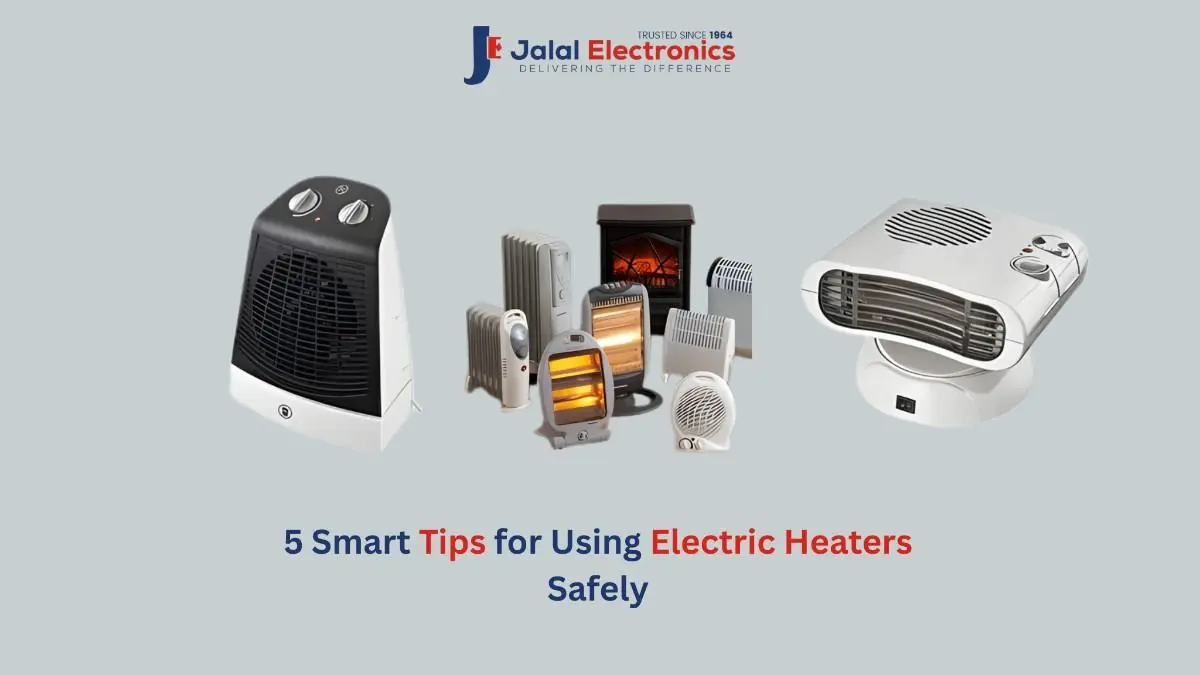
As winter sets in across Pakistan, electricheaters become an essential household appliance, providing warmth and comfort during the cold months. From the chilly nights of Islamabad and Rawalpindi to the foggy mornings of Lahore and the freezing temperatures of Quetta, millions of Pakistanis rely on electric heaters to stay warm. However, with the convenience of electric heating comes the responsibility of using these appliances safely.
At Jalal Electronics, we’re committed not just to providing you with quality heating solutions but also to ensuring you use them safely.
This comprehensive guide will walk you through five smart, practical tips for using your electric heater safely, helping you protect your family, your home, and your investment while staying warm throughout winter.
Understanding Electric Heater Safety: Why It Matters
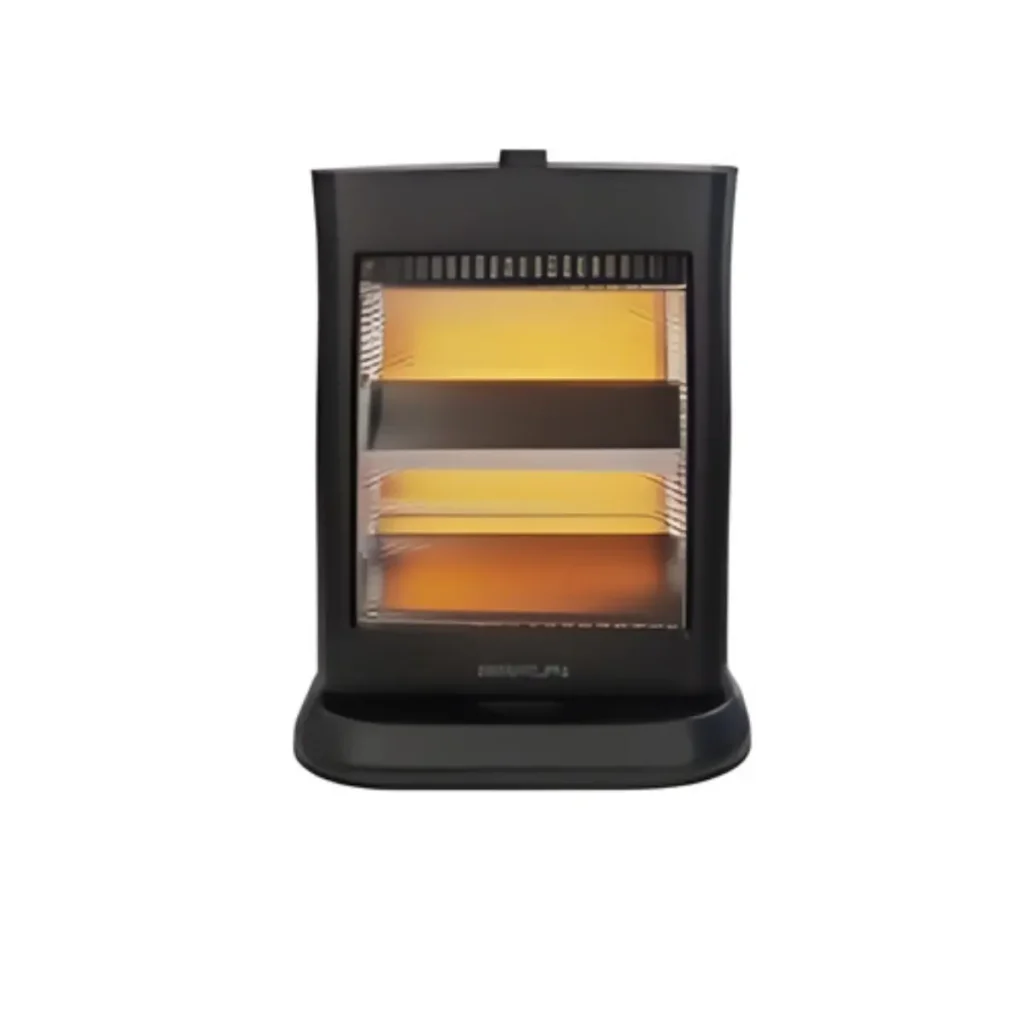
Before we dive into our safety tips, it’s important to understand whyelectric heater safety deserves your attention. According to safety experts, heating equipment is one of the leading causes of home fires during the winter months. Electric heaters, while convenient and efficient, draw significant power and generate substantial heat, which can pose risks if not used properly.
The good news is that modern electric heaters come with numerous safety features, and by following simple guidelines, you can enjoy their warmth without worry. Whether you’re using a fan heater, oil-filled radiator, halogen heater, or infrared model, these safety principles apply universally.
1. Maintain Proper Clearance and Placement
The most critical aspect of electric heater safety is proper placement. Where you position your heater can make the difference between safe, efficient heating and a potential disaster.
The Three-Foot Rule
Always maintain at least three feet (approximately one meter) of clearance around your electric heater in all directions. This space should be completely free from any combustible materials. Think of this as your heater’s “safety zone” – nothing should enter this space while the heater is operating.
What to Keep Away From Your Heater
Be vigilant about keeping these items away from your electric heater:
Fabrics and Textiles: Curtains, bedding, clothing, towels, and tablecloths can easily catch fire if they come into contact with heating elements. Many heater fires occur when curtains blow onto heaters or when someone drapes wet clothes over them to dry.
Furniture: Couches, beds, chairs, and wooden furniture should never be placed close to heaters. The heat can damage furniture finishes and, in extreme cases, cause ignition.
Paper and Cardboard: Newspapers, magazines, cardboard boxes, and paper decorations are highly flammable and must be kept far from heaters.
Aerosol Cans and Flammable Liquids: Paint thinners, gasoline, kerosene, and aerosol products can explode or ignite when exposed to heat.
Ideal Placement Guidelines
Choose a location that is:
- On a flat, stable, hard surface (never on carpet if possible, as it can block vents)
- Away from high-traffic areas where people might trip over the heater or its cord
- Not directly under windows where curtains might blow onto it
- In an area with good air circulation, but not in a drafty location
- Away from water sources (bathrooms, kitchens, or areas prone to water spills)
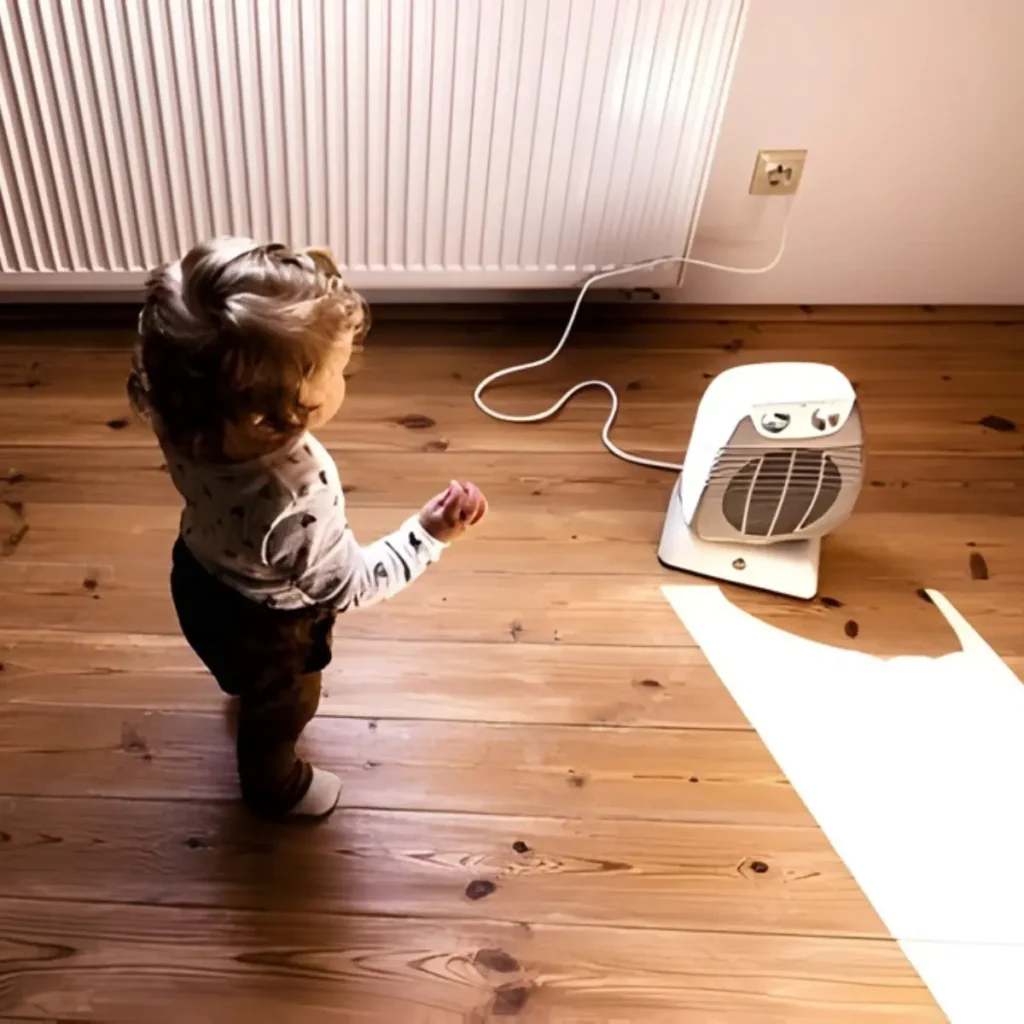
- Never in children’s bedrooms or playrooms unsupervised
At Jalal Electronics, we always advise customers to place their heaters in a central location where the heat can circulate effectively while maintaining all safety clearances. Never place heaters in corners or enclosed spaces where heat can build up dangerously.
2. Never Leave Electric Heaters Unattended
One of the most important safety rules is also one of the simplest: never leave an electric heater running when you’re not in the room. This single practice can prevent countless accidents.
Why Constant Supervision Matters
Electric heaters can malfunction, overheat, or tip over unexpectedly. When you’re present, you can immediately respond to any issues. When left unattended, a minor problem can quickly escalate into a major emergency.
Specific Situations to Avoid
Sleeping With Heaters On: Many people make the dangerous mistake of leaving their heater running while they sleep. If you must use heating at night, consider alternative solutions like electric blankets with automatic shut-off features, or ensure your heater has a reliable automatic timer and tip-over protection.
Leaving Home: Always turn off and unplug your heater before leaving your home, even for short errands. The few minutes you save on reheating when you return aren’t worth the risk of fire.
Unattended Children: Never leave children alone in a room with an operating heater. Children’s natural curiosity can lead them to touch hot surfaces, push objects into heaters, or knock them over.
Pet Considerations: Pets can accidentally knock over heaters or get too close to heating elements. If you have pets, ensure your heater has a sturdy base and consider models with cool-touch exteriors.
Smart Alternatives for Continuous Heating
If you need consistent warmth throughout the night or while you’re away, consider:
- Programmable thermostats that control central heating
- Electric heaters with advanced safety features, including automatic shut-off timers
- Oil-filled radiators that retain heat longer and have lower surface temperatures
- Smart heaters that can be monitored and controlled via smartphone apps
Jalal Electronics offers a range of heaters with advanced safety features, including automatic timers and remote controls, allowing you to maintain comfort while prioritizing safety.
3. Electrical Safety and Power Management
Electric heaters are power-hungry appliances, typically drawing 1000 to 2000 watts or more. Improper electrical connections can lead to short circuits, electrical fires, or damage to your home’s wiring.
Direct Wall Outlet Connection
Always plug your electric heater directly into a wall outlet. Never use extension cords, power strips, or surge protectors with heaters. Here’s why:
Insufficient Capacity: Most extension cords and power strips aren’t rated to handle the high power draw of electric heaters. The cord can overheat, melt, or catch fire.
Connection Points: Each connection point (plug to extension cord, extension cord to wall) creates resistance, which generates additional heat and increases fire risk.
Hidden Damage: Extension cords can have internal damage that isn’t visible, making them particularly dangerous when used with high-power appliances.
Inspect Electrical Components Regularly
Before each use, carefully examine:
Power Cord: Check for fraying, cracks, cuts, or exposed wires. Any damage means the heater should not be used until repaired by a qualified technician.
Plug: Look for discoloration, melting, or deformation. These signs indicate overheating and potential electrical problems.
Outlet: If your wall outlet feels warm, shows discoloration, or the plug fits loosely, have a qualified electrician inspect your wiring before using the heater.
Understanding Your Home’s Electrical Capacity
Many Pakistani homes, especially older constructions, have electrical systems designed for lower power loads. When using electric heaters:
Avoid Overloading Circuits: Don’t run multiple high-power appliances on the same circuit. If your heater and other devices (iron, microwave, air conditioner) share a circuit, they shouldn’t operate simultaneously.
Watch for Warning Signs: Flickering lights, frequent circuit breaker trips, or buzzing sounds indicate electrical overload. If you experience these, turn off the heater immediately and consult an electrician.
Consider Voltage Stabilizers: Pakistan’s power supply can be unstable, with voltage fluctuations damaging appliances. A quality voltage stabilizer from Jalal Electronics can protect your heater and ensure stable operation.
Heater-Specific Electrical Safety
Allow Cooling Before Unplugging: After turning off your heater, let it cool for several minutes before unplugging. Hot heating elements can cause sparks when disconnected.
Pull by Plug, Not Cord: When unplugging, always grip the plug itself rather than pulling the cord, which can damage internal wiring.
Regular Professional Inspection: Have your heaters inspected annually by qualified technicians, especially if you notice any unusual behavior like strange smells, sounds, or reduced heating efficiency.
4. Choose Heaters With Modern Safety Features
Not all electric heaters are created equal when it comes to safety. Modern heaters incorporate various safety technologies that significantly reduce risks. When shopping at Jalal Electronics, look for these essential safety features:
Tip-Over Protection
This critical feature automatically shuts off the heater if it’s knocked over or tilted beyond a certain angle. This is especially important in homes with children, pets, or in high-traffic areas. Tip-over switches prevent the heating elements from coming into contact with carpets, floors, or other surfaces that could ignite.
Overheat Protection
Quality heaters include thermal cut-off switches that automatically shut down the unit if internal temperatures exceed safe limits. This protects against electrical malfunctions, blocked vents, or other conditions that could cause dangerous overheating.
Cool-Touch Exterior
Heaters with cool-touch casings remain safe to touch even during operation. This feature is particularly valuable for families with young children who might accidentally touch the heater.
Automatic Shut-Off Timer
Programmable timers allow you to set specific operating periods, ensuring the heater turns off automatically even if you forget. This feature provides peace of mind and energy savings.
Ground Fault Circuit Interrupter (GFCI) Compatible
For heaters used in areas with moisture exposure, GFCI compatibility protects against electrical shock by immediately cutting power if a ground fault is detected.
Adjustable Thermostat
Thermostatic controls maintain consistent temperatures without constant manual adjustment, preventing overheating and reducing energy consumption.
Safety Certification
Look for heaters certified by recognized safety organizations. These certifications indicate the product has undergone rigorous testing and meets international safety standards.
Types of Heaters and Their Safety Profiles
Oil-Filled Radiators: Among the safest options, these heaters maintain lower surface temperatures, don’t have exposed heating elements, and continue radiating heat after being turned off.
Ceramic Heaters: Feature self-regulating ceramic heating elements that reduce overheating risk and typically include multiple safety features.
Fan Heaters: Effective and portable, but require careful placement away from obstructions. Choose models with mesh guards and tip-over protection.
Halogen Heaters: Provide instant heat but have exposed elements. Best for short-term use with constant supervision.
Infrared Heaters: Efficient and safe when properly mounted, heating objects rather than air, reducing fire risk.
AtJalal Electronics, our trained staff can guide you through the safety features of different heater models, helping you choose the best option for your specific needs and household situation.
5. Establish and Follow Safe Operating Practices
Beyond equipment features and placement, developing smart usage habits is essential for electric heater safety.
Create a Heating Safety Routine
Pre-Use Inspection: Before turning on your heater each time, conduct a quick safety check. Clear the area, inspect the cord and plug, ensure proper placement, and verify all safety features are functional.
Temperature Settings: Use the lowest effective temperature setting. Higher isn’t always better – it wastes energy and increases safety risks. Most rooms are comfortable at 20-22°C (68-72°F).
Room Ventilation: While heaters warm your space, maintain adequate ventilation. Completely sealed rooms can lead to stuffiness and, with certain heater types, reduced air quality. Crack a window slightly if the room feels too stuffy.
Moisture Awareness: Never use standard electric heaters in bathrooms or other high-moisture areas unless they’re specifically rated for such use. Water and electricity are a dangerous combination.
Educate All Household Members
Everyone in your home should understand heater safety:
Children: Teach children that heaters are not toys and should never be touched. Establish clear rules about staying away from heaters. For younger children, consider physical barriers like baby gates.
Domestic Staff: Ensure any helpers or domestic staff understand proper heater usage and safety protocols. Language barriers shouldn’t compromise safety.
Elderly Family Members: Older adults may have reduced mobility or awareness. Ensure they can safely operate heaters and that someone checks on them regularly during winter.
Establish Emergency Protocols
Fire Extinguisher Access: Keep a working fire extinguisher accessible in your home. Ensure family members know its location and how to use it.
Emergency Numbers: Keep emergency numbers readily available, including the fire department, the electrician, and the Jalal Electronics service helpline.
Evacuation Plan: Have a clear plan for quickly exiting your home if a fire occurs. Practice this plan with all family members.
Maintenance Best Practices
Regular Cleaning: Dust and debris can accumulate in heater vents, reducing efficiency and increasing fire risk. Clean your heater regularly according to the manufacturer’s instructions. Always unplug before cleaning.
Seasonal Storage: When winter ends, clean your heater thoroughly, let it cool completely, and store it in a dry place with its original packaging if possible. Never store heaters in damp basements or areas with temperature extremes.
Professional Servicing: Schedule annual maintenance with qualified technicians, especially for expensive or high-capacity heaters. This ensures optimal performance and identifies potential safety issues before they become dangerous.
Energy Efficiency and Safety
Safe heater use doesn’t mean sacrificing comfort or efficiency:
Zone Heating: Heat only the rooms you’re using rather than the entire house. This is safer, more economical, and more environmentally friendly.
Insulation Improvements: Better home insulation reduces heating needs. Seal windows, use door draft stoppers, and consider thermal curtains.
Complementary Heating: Combine your electric heater with other warming methods like appropriate clothing, blankets, and rugs to reduce heater operating time.
The Jalal Electronics Commitment to Your Safety
At Jalal Electronics, we don’t just sell electric heaters – we partner with our customers to ensure safe, efficient, and comfortable heating solutions. Our commitment includes:
Quality Products: We stock only reputable brands with proven safety records and modern safety features.
Expert Guidance: Our knowledgeable staff provides detailed safety information and usage guidance with every purchase.
Proper Installation: We offer professional installation services to ensure your heater is set up correctly from the start.
After-Sales Support: Our service team is available to address concerns, perform maintenance, and provide emergency support when needed.
Safety Education: We regularly share safety tips, guides, and updates with our customer community.
Warranty Protection: All our heaters come with comprehensive warranties, giving you peace of mind and protection for your investment.
Frequently Asked Questions (FAQs)
Can I use an electric heater overnight while sleeping?
It’s generally not recommended to leave any heater running while you sleep due to safety risks. If overnight heating is necessary, use heaters with automatic timers, overheat protection, and tip-over safety features.
How much electricity does an electric heater consume in Pakistan?
Most electric heaters consume 1000-2000 watts per hour. In Pakistan, with electricity rates averaging around Rs. 20-30 per unit (kWh), running a 1500-watt heater for one hour costs approximately Rs. 30-45. To minimize costs, use the lowest effective temperature setting, heat only occupied rooms, and use heaters with thermostatic controls that cycle on and off as needed rather than running continuously.
What should I do if my electric heater smells strange or makes unusual noises?
Turn off and unplug the heater immediately. Strange smells (especially burning plastic or electrical odors) and unusual noises (buzzing, crackling, or rattling) indicate potential problems.
Is it safe to use an electric heater in a child’s room?
Electric heaters can be used in children’s rooms with extreme caution and proper safety measures. Choose heaters with cool-touch exteriors, tip-over protection, and overheat safety features. Never leave a heater running in a child’s room unsupervised or overnight.
Can I plug my electric heater into a voltage stabilizer or UPS?
You can plug a heater into an appropriately rated voltage stabilizer, which is actually recommended in areas with unstable electricity supply in Pakistan. However, ensure the stabilizer is rated for the heater’s wattage (typically 1500-2000 watts minimum). Never plug heaters into standard UPS (Uninterruptible Power Supply) units, as most UPS devices cannot handle the high continuous power draw of heaters and may overheat or fail.
How often should I clean my electric heater, and how do I do it safely?
Clean your heater at least once a month during active use and before seasonal storage. Always unplug the heater and let it cool completely before cleaning. Use a soft, dry cloth or brush to remove dust from vents and grilles. For deeper cleaning, use a vacuum cleaner with a brush attachment to remove dust from internal areas (without disassembling).
What’s the safest type of electric heater for Pakistani homes?
Oil-filled radiators are generally considered the safest option for Pakistani homes. They maintain lower surface temperatures, have no exposed heating elements, don’t blow dust around, and continue radiating heat after being turned off. Ceramic heaters with safety features are also excellent choices. For quick heating in supervised areas, fan heaters with safety guards work well.
Conclusion: Stay Warm, Stay Safe This Winter
Electric heaters are wonderful appliances that make Pakistani winters more comfortable, but they require respect and proper handling. By following these five smart safety tips – maintaining proper clearance, never leaving heaters unattended, ensuring electrical safety, choosing heaters with modern safety features, and establishing safe operating practices – you can enjoy warmth and comfort without compromising your family’s safety.
At Jalal Electronics, we’re committed to supporting you with high-quality products, expert advice, and comprehensive after-sales service. This winter, don’t just stay warm – stay safe. Visit Jalal Electronics today to explore our range of safe, efficient electric heaters and speak with our safety-conscious team, who will help you make the best choice for your home.